Understanding Why Carpets Hold So Much Dirt
Carpets are designed to trap particles, which is useful for keeping dust out of the air. The problem is that over time, this trapping effect becomes a buildup issue.
In most UK homes, especially in cities, carpets are exposed to:
- Fine dust carried in from outside
- Cooking residue in open-plan living spaces
- Drink spills and everyday accidents
- Pet hair and natural oils
Even when a carpet looks clean on the surface, the deeper layers often tell a different story. In many properties, especially flats and rented accommodation, carpets are used heavily without enough time between cleans for proper recovery.
A common situation is noticing darker patches in walkways or living room areas. This isn’t just dirt on the surface — it’s compressed fibres holding onto embedded debris.
How Deep Carpet Cleaning Actually Works
Unlike surface cleaning, professional carpet cleaning focuses on removing what’s trapped below the visible layer.
The process usually begins with a full inspection. This helps identify high-traffic zones, stain types, and fibre condition. Not all carpets react the same way, so this step matters more than people realise.
Next comes dry soil removal using a HEPA filtration vacuum system. This is important because dry dust needs to be removed before moisture is introduced.
After that, a pre-treatment solution is applied. This breaks down oils, grease, and stubborn marks that have settled into fibres. In many cases, this stage alone already starts to lift visible dullness.
The main cleaning stage uses hot water extraction. Warm water combined with cleaning solution is injected deep into the carpet, then immediately extracted along with loosened dirt. This process targets both surface and deep-layer contamination.
Finally, the carpet is checked again for any remaining spots that may need extra attention. Some areas, especially older stains, may require targeted treatment rather than a single pass.
Why Some Stains Are Harder to Remove
Not all stains behave the same way during cleaning. This is something many people misunderstand.
Stains that are fresh often respond well to treatment, while older stains can become chemically bonded with fibres over time.
Common factors include:
- Time left untreated
- Type of liquid (coffee, wine, oil, etc.)
- Carpet material and colour
- Previous cleaning attempts
In some cases, cleaning significantly improves the appearance without fully removing the mark. This is normal and expected in professional carpet cleaning services, especially in long-used carpets.
It’s also worth noting that some cleaning products used at home can make stains harder to remove later if they set the residue deeper into the fibres.
Carpet Cleaning in Busy UK Homes
In typical UK households, carpets are rarely unused. Even in smaller homes, rooms tend to serve multiple purposes — living, dining, working, and relaxing.
This constant use creates:
- Uneven wear patterns
- Flattened carpet areas
- Gradual colour dulling
- Odour retention in enclosed spaces
In many flats, ventilation is also limited, which means moisture and smells stay in the carpet longer than expected.
This is why deep carpet cleaning is not just about appearance — it helps reset the condition of the carpet in a practical way that fits everyday living.
Office Carpet Cleaning and High-Traffic Areas
Carpet care is not limited to homes. Offices experience their own form of wear, often in more predictable patterns.
In office carpet cleaning, the most common issues include:
- Dark walkways between desks
- Heavy wear near entrances
- Staining in communal kitchen areas
- Flattening from office chairs and movement
Unlike homes, office carpets often wear in specific lanes due to repeated movement. This makes targeted cleaning more effective than treating the entire space equally.
Many businesses schedule cleaning outside working hours to avoid disruption. This is especially common in shared offices and smaller commercial spaces where downtime needs to be minimal.
Regular cleaning also helps extend the life of office flooring, which is often more cost-effective than early replacement.
Drying Time and Practical Expectations
One of the most important parts of carpet cleaning is understanding what happens after the process is complete.
Carpets are usually left slightly damp after hot water extraction. Drying time depends on:
- Air circulation
- Carpet thickness
- Room temperature
- Ventilation levels
In most cases, carpets dry within a few hours. However, in enclosed rooms or properties with limited airflow, it can take longer.
To speed up drying:
- Keep windows open where possible
- Avoid covering the carpet
- Reduce foot traffic until fully dry
It’s normal for carpets to feel slightly firmer immediately after cleaning. This usually settles once fibres fully dry and return to their natural texture.
When Deep Carpet Cleaning Is Actually Needed
There is no strict rule for timing, but certain signs are common indicators:
- Carpets look dull even after vacuuming
- Odours remain in the room
- Visible traffic lanes appear
- Stains become more noticeable over time
- The property is being prepared for new occupants
In many UK homes, people tend to wait longer than necessary because changes happen gradually. By the time it becomes obvious, dirt has often already settled deep into the fibres.
A practical approach is to think in terms of usage rather than time alone.
What Deep Carpet Cleaning Can and Cannot Do
It’s important to be realistic about results.
Deep cleaning can:
- Improve appearance significantly
- Remove embedded dirt and dust
- Reduce odours trapped in fibres
- Restore softness and texture
However, it cannot:
- Repair worn or damaged fibres
- Remove bleach or chemical damage
- Restore carpets that are physically at end-of-life
- Reverse years of heavy wear
This distinction matters because cleaning improves condition, but it does not replace material that has already deteriorated.
Simple Maintenance Between Professional Cleans
To keep carpets in better condition for longer, a few simple habits help:
- Vacuum regularly, especially high-traffic areas
- Deal with spills immediately
- Use rugs in entrances and walkways
- Avoid dragging furniture across carpets
These steps don’t replace professional cleaning but they do slow down how quickly dirt builds up again.
Final Thoughts
Deep carpet cleaning is not just a cosmetic service — it’s a practical way to maintain healthier, more comfortable living and working spaces.
Over time, carpets naturally collect layers of dirt that cannot be removed through everyday cleaning alone. A structured deep carpet cleaning process helps restore balance by removing what has built up beneath the surface.
Whether in a home or office environment, the goal is the same: a cleaner, fresher space that feels noticeably better to use every day.

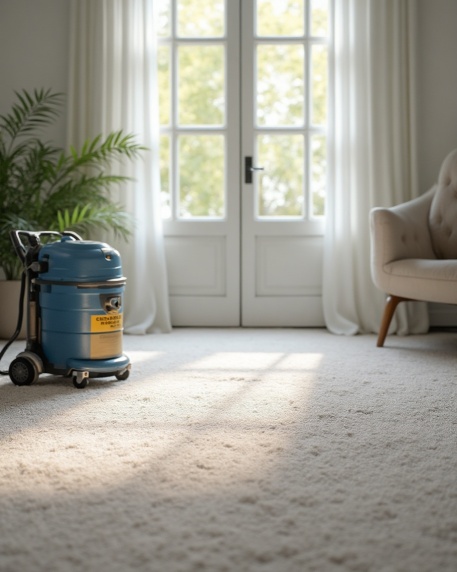
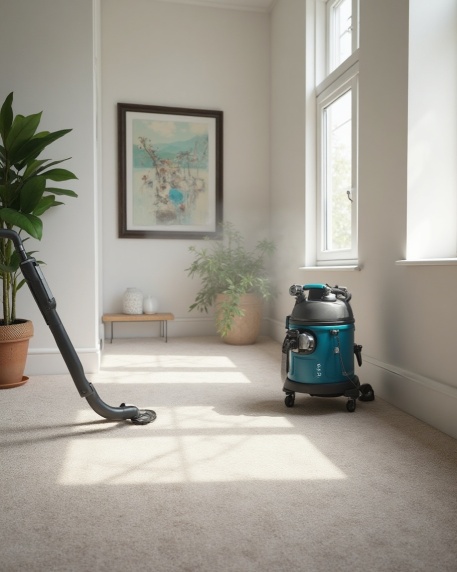 Professional carpet cleaning in London helps remove deep-set dirt, stains, and odours from busy homes and offices, restoring carpets to a fresher, cleaner condition.
