
How to Deal With Hidden Dirt in London Homes (Before It Becomes a Bigger Problem)
Why Hidden Dirt Builds Up in London Homes
- Dirt collects in areas that are hard to reach or easy to overlook
- Poor airflow allows moisture and residue to build up
- Regular cleaning focuses on visible surfaces, not deep areas
- Build-up happens gradually, so it’s often not noticed early on
Most people stay on top of everyday cleaning like wiping surfaces and vacuuming floors, but that doesn’t always deal with what’s underneath. In many London flats and older properties, hidden dirt builds up slowly in areas that aren’t part of regular routines. This usually happens because of daily use, limited ventilation, and the way spaces are designed. Over time, it starts to affect hygiene, air quality, and the overall feel of the home.
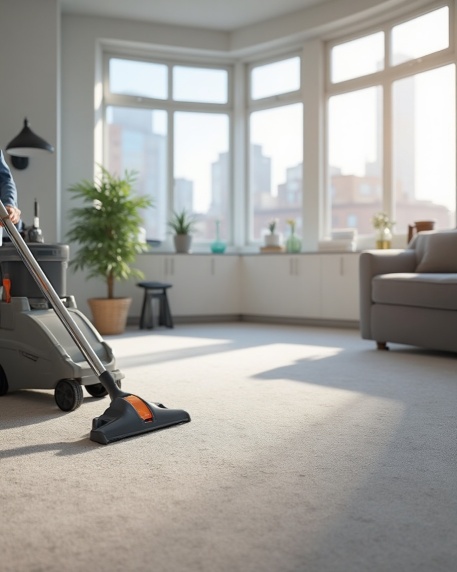
Where Hidden Dirt Builds Up (And Why It’s Often Missed)
Why Hidden Dirt Is More Common in London Properties
There are a few practical reasons this happens more often in London than people expect.
First, limited airflow. Many flats rely on small windows or extractor fans, which aren’t always enough. Moisture stays in the air longer, especially in kitchens and bathrooms. This creates the perfect conditions for grime, mould, and residue to build up — something a professional cleaner will typically identify during inspection.
Second, high usage in compact spaces. Kitchens and bathrooms tend to be smaller, but they’re used just as much — if not more. That means grease, soap residue, and limescale accumulate faster, often requiring expert cleaning methods rather than basic products.
And then there’s hard water, which is a well-known issue across London. It leaves mineral deposits behind, especially around taps, shower screens, and kettles. Over time, this combines with dirt and becomes harder to remove without professional descaling treatments.
The Problem With Leaving It Too Long
Hidden dirt isn’t just a cosmetic issue. Over time, it can lead to:
- Persistent odours that don’t go away with standard cleaning
- Reduced air quality, especially in enclosed spaces
- Bacteria build-up in kitchens and bathrooms
- Mould growth around damp areas
- Wear and damage to surfaces
In many London flats, we often see situations where a property looks clean at first glance, but once you move furniture or inspect closely, there’s a noticeable difference. This is particularly common before bookings for after builders cleaning or end of tenancy cleaning, where deeper layers of dirt have been left for months.
How a Proper Deep Clean Tackles the Issue
Dealing with hidden dirt properly usually requires more than everyday cleaning tools. A structured professional deep cleaning service focuses on areas that are often missed and uses the right equipment for each surface.
In practice, the process tends to follow a natural flow.
Initial Assessment
Before starting, it’s important to understand where the build-up is. For example, grease around kitchen units behaves very differently from limescale in a bathroom.
An experienced cleaning technician will assess materials, condition, and access — especially in older London buildings where surfaces may be more delicate.
Targeted Cleaning Methods
Different areas require different solutions:
- Degreasers are used in kitchens to break down oil and cooking residue
- Descalers help remove limescale caused by hard water
- Steam cleaners are often used on tiles and grout to lift embedded dirt
- HEPA vacuum systems capture fine dust particles from carpets and upholstery
- Microfibre cloths are used to trap dirt rather than spread it
This is where the difference between standard and expert cleaning becomes clear — it’s not about working harder, but working with the right method.
Hard-to-Reach Areas
A proper clean includes areas like:
- Behind appliances (where possible)
- Inside cupboards and drawers
- Along skirting boards and edges
- Around fixtures and fittings
Access can sometimes be a limitation in London homes. Tight kitchens, fixed appliances, or limited space may restrict how much can be moved. A professional cleaning team will work around these limitations safely while still covering as much as possible.
Final Checks
Once the cleaning is done, a final check ensures nothing has been missed. This is particularly important for properties being handed over to landlords or new tenants, where a professional end of tenancy clean is expected to meet a certain standard.
How Long Does It Usually Take?
This depends on the size and condition of the property.
- A small flat might take 2 to 4 hours
- A larger property or one with heavy build-up could take a full day or more
In many London rental properties, the time needed increases if the cleaning hasn’t been done properly for a long period or if additional services like carpet cleaning or after builders cleaning are required.
What You Can Do Between Deep Cleans
You don’t always need a full professional clean to stay on top of things. A few practical habits can make a difference:
- Wipe down kitchen surfaces regularly to prevent grease build-up
- Dry bathroom surfaces after use to reduce moisture
- Vacuum edges and corners, not just open areas
- Clean inside cupboards every few weeks
- Keep ventilation consistent where possible
These steps help maintain results after a professional cleaning service, but they won’t fully replace a deeper, more detailed clean when build-up becomes significant.
When a Standard Clean Isn’t Enough
There are situations where a regular clean won’t deal with the problem effectively:
- Moving in or out of a property
- After renovations or building work
- Long periods without proper cleaning
- Visible signs of mould or heavy limescale
- Preparing a property for tenants or sale
In these cases, a more specialised service such as end of tenancy cleaning, deep cleaning, or after builders cleaning carried out by an expert team is usually the better option.
Honest Expectations: What Can and Can’t Be Fixed
It’s important to be realistic about results.
A professional deep clean can significantly improve hygiene and appearance, but it won’t:
- Remove permanent stains or damage
- Restore worn materials to a new condition
- Fix structural issues like poor ventilation
For example, if grout is heavily stained or sealant is deteriorating, cleaning will improve it, but replacement may still be required.
A Common Scenario in London Homes
In many London flats, especially older conversions, we often see kitchens where grease has slowly built up on top of cupboards and around extractor fans. It’s not obvious until you touch the surface, which is why it’s often only addressed during a professional deep cleaning service.
Bathrooms show a similar pattern. Limited ventilation leads to mould forming around silicone edges, even with regular cleaning. In these cases, an experienced cleaner can remove the build-up, but long-term prevention depends on airflow and regular maintenance.
The Takeaway
Hidden dirt is something most London households deal with at some point — especially in busy homes where daily cleaning focuses on visible areas.
The key is understanding:
- where dirt builds up
- why it happens
- when a professional or expert cleaning service is needed
Once regular cleaning stops making a difference, it’s usually a sign that a deeper, more structured clean is required to restore proper hygiene and comfort.

What Our Clients Say

“Professional, reliable, and efficient! SATSU handled our office carpets with care, and the results were outstanding. The team was friendly, and the service was seamless from start to finish.”
“Absolutely brilliant service. The technicians were courteous and took great care with my delicate rugs. The carpets dried quickly, and the whole process was stress-free. I will definitely use SATSU again.”
“I had my sofas and carpets cleaned by SATSU, and I’m so impressed. The stains lifted completely, and there’s no lingering chemical smell. Their attention to detail really sets them apart.”
“SATSU did an amazing job on our living room carpet! The stains from our kids and pets were completely gone, and the carpet feels so fresh. The team was punctual, friendly, and very professional. Highly recommend!”
“SATSU’s team was fantastic. They were prompt, explained the cleaning process clearly, and the carpet looks brand new. The eco-friendly products were a big plus for me. Excellent value for money.”
“I’ve tried several carpet cleaning companies before, but SATSU exceeded my expectations. They used steam cleaning that got deep into the fibres, and the results were incredible. My office carpets have never looked better!”