
The Difference Between a Clean Home and a Hygienic One
Clean vs Hygienic: What’s Really Going On in Your Home
In many London homes, especially busy flats and shared properties, a space can look completely clean on the surface, but that doesn’t always mean it is hygienic. A home can appear tidy with wiped surfaces and organised rooms, yet still hold hidden bacteria and build-up in areas you don’t regularly notice. This is why many people feel their home never quite reaches that “properly clean” feeling, even after they’ve cleaned it themselves.
- Visible cleaning only removes surface dust and dirt, not hidden bacteria
- High-touch areas like handles and switches often carry germs unnoticed
- Grease, moisture, and dust build up gradually in overlooked spaces
- Air quality and hygiene can remain poor even when a home looks clean
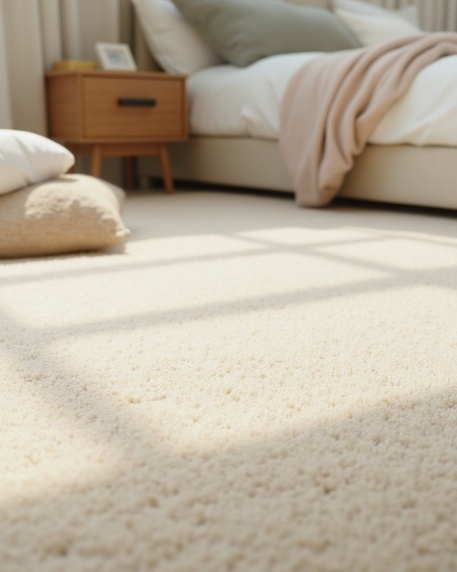
Clean vs Hygienic: What’s Actually the Difference?
A clean home is mainly about appearance. It focuses on removing visible dust, dirt, and clutter so the space looks tidy and presentable.
A hygienic home goes deeper than what you can see. It focuses on reducing bacteria and germs, removing hidden build-up that accumulates over time, improving air quality, and treating areas that are not part of regular day-to-day cleaning routines. In practical terms, a clean home might look fine after a quick tidy, but a hygienic home feels fresher, smells cleaner, and stays in better condition for longer.
In many London flats, this difference becomes noticeable quite quickly due to limited space, frequent use, and less airflow compared to larger homes. This is exactly where professional services like domestic cleaning, deep cleaning, end of tenancy cleaning, carpet cleaning, upholstery cleaning, mattress cleaning, and stain protection treatments become important to properly reset hygiene levels rather than just surface appearance.
Why a Home Can Look Clean But Still Be Unhygienic
This is more common than most people realise. A home can look spotless on the surface but still contain layers of hidden build-up that affect hygiene without being obvious.
Bacteria You Can’t See
Even after surface cleaning, bacteria can remain on everyday high-touch items such as kitchen sponges, cloths, bathroom taps, light switches, and door handles. These areas are often wiped quickly as part of routine cleaning, but not properly disinfected, which allows germs to continue building up over time even in a home that looks clean.
This is where structured domestic cleaning services make a real difference, as they focus on proper hygiene standards rather than quick visual cleaning.
Grease and Dirt That Build Slowly
In kitchens, cooking releases fine grease particles into the air. These particles settle gradually on nearby surfaces, including cupboard doors, tiles near cooking areas, and other frequently touched areas. In smaller London kitchens, where ventilation is often limited, this build-up happens even faster and can go unnoticed until surfaces start feeling sticky or dull.
This is often the stage where a deep cleaning service becomes necessary, especially when regular cleaning no longer removes the residue properly.
Dust That Keeps Returning
When dust seems to return quickly after cleaning, it usually means it is not being fully removed. Carpets often trap fine particles deep within their fibres, upholstery holds onto dust and allergens, and everyday air movement redistributes particles around the room.
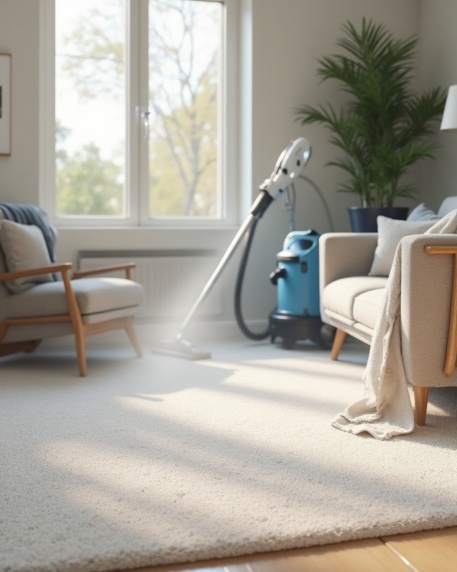
This is where carpet cleaning and upholstery cleaning services using deep extraction and HEPA filtration systems are more effective than standard vacuuming, as they remove embedded dust rather than just surface layers.
Moisture and Hidden Damp Areas
Bathrooms and kitchens naturally hold moisture, but in many London flats, ventilation is not always strong enough to manage it properly. This can lead to mould forming around silicone seals, damp smells developing in enclosed spaces, and gradual discolouration on walls or ceilings.
Over time, limescale also builds up due to hard water, especially around taps and shower areas. These issues are typically addressed through deep cleaning and end of tenancy cleaning services, where descaling and mould treatment are part of a full reset of the property.
Why This Happens So Often in London Homes
There are several reasons why this issue is particularly common in London properties.
Compact Living Spaces
Smaller homes naturally have less airflow, which allows dirt and moisture to build up more quickly. At the same time, the same surfaces are used more frequently, which increases wear and contamination. Because of this, dirt accumulates faster even when cleaning routines stay the same as in larger homes.
Busy Lifestyles
Most people simply do not have the time for deep cleaning on a regular basis. As a result, cleaning becomes focused on quick surface wiping, fast vacuuming, and general tidying. While this keeps a home looking presentable, it does not fully reset hygiene levels or remove deeper build-up.
Rental Property Turnover
In rental properties, cleaning standards can vary significantly between tenants. Even if a home looks clean when you move in, hidden build-up may already exist underneath the surface. This is why end of tenancy cleaning services are often required — to fully restore the property to a hygienic, ready-to-let condition.
What Makes a Home Truly Hygienic
A hygienic home is not about constant cleaning but about targeted cleaning that removes build-up properly. It focuses on deeper areas that are usually missed during routine maintenance and restores the overall condition of the property rather than just its appearance.
Satsu’s approach across services like deep cleaning, domestic cleaning, carpet cleaning, upholstery cleaning, mattress cleaning, and end of tenancy cleaning is designed around this principle — removing hidden build-up rather than just improving surface appearance.
How a Proper Professional Clean Improves Hygiene
A proper clean goes beyond wiping and vacuuming. It targets the real sources of build-up that affect hygiene over time.
In kitchens, this includes removing grease from cooking areas, cupboards, and high-contact surfaces using specialist degreasers. In bathrooms, it involves descaling taps and shower areas, treating grout, and addressing mould-prone zones with proper cleaning solutions.
Soft furnishings such as carpets, sofas, and mattresses are treated using deep extraction methods that remove embedded dust, allergens, and bacteria that regular cleaning cannot reach. This is where services like carpet cleaning and upholstery cleaning make a noticeable difference in both hygiene and air quality.
For full property resets, especially before moving in or out, end of tenancy cleaning ensures all areas are covered to a consistent professional standard, including hidden and neglected spaces.
Realistic Limitations to Understand
Even a thorough professional clean has its limits. It can significantly improve hygiene and appearance, but it cannot repair damaged surfaces, remove permanent staining, or replace worn-out materials and fittings.
For example, heavily stained grout or aged silicone may require replacement rather than cleaning, and very worn carpets may need specialist restoration or replacement instead of standard cleaning.
When You Notice the Difference Most
The difference between clean and hygienic becomes most noticeable in situations such as moving into a new property, after long periods of only light cleaning, following renovation work, in homes with poor ventilation, or during tenancy changes.
In these cases, services like deep cleaning, carpet cleaning, and end of tenancy cleaning often create an immediate improvement in how the entire space feels.
Final Thoughts
A clean home is what you see on the surface, but a hygienic home is what you experience when you live in it. The difference is often hidden in areas that are not part of everyday cleaning routines — behind appliances, inside fabrics, around fixtures, and within the air itself.
In many London homes, especially flats and rental properties, this gap develops gradually over time. Regular cleaning maintains appearance, but true hygiene comes from deeper, more structured services like domestic cleaning, deep cleaning, carpet cleaning, upholstery cleaning, mattress cleaning, and end of tenancy cleaning.
Once that deeper layer is removed properly, the difference is clear — the home doesn’t just look clean, it genuinely feels cleaner, fresher, and easier to live in.
What Our Clients Say

“SATSU’s team was fantastic. They were prompt, explained the cleaning process clearly, and the carpet looks brand new. The eco-friendly products were a big plus for me. Excellent value for money.”
“Professional, reliable, and efficient! SATSU handled our office carpets with care, and the results were outstanding. The team was friendly, and the service was seamless from start to finish.”
“Absolutely brilliant service. The technicians were courteous and took great care with my delicate rugs. The carpets dried quickly, and the whole process was stress-free. I will definitely use SATSU again.”
“I’ve tried several carpet cleaning companies before, but SATSU exceeded my expectations. They used steam cleaning that got deep into the fibres, and the results were incredible. My office carpets have never looked better!”
“SATSU did an amazing job on our living room carpet! The stains from our kids and pets were completely gone, and the carpet feels so fresh. The team was punctual, friendly, and very professional. Highly recommend!”
“I had my sofas and carpets cleaned by SATSU, and I’m so impressed. The stains lifted completely, and there’s no lingering chemical smell. Their attention to detail really sets them apart.”