
7 Practical Ways to Keep Your Home Clean Between Professional Visits in London
Keeping a home clean in London isn’t always straightforward. Between busy schedules, compact living spaces, and constant foot traffic from outside, it doesn’t take long for things to feel out of control again — even after a proper clean.
This guide is for tenants, homeowners, and landlords who want to maintain a good standard between professional cleaning visits. Whether you’ve recently had a deep clean or you’re trying to avoid one becoming urgent, small habits can make a noticeable difference.
In many London flats, especially those near main roads or shared entrances, dust and dirt build up faster than expected. What matters is how you manage it day to day — and knowing when to bring in a professional cleaning service.
1. Focus on High-Traffic Areas First
Not all parts of your home get dirty at the same rate. Hallways, entrances, and living rooms tend to collect the most debris.
This is mainly due to:
- shoes bringing in dust and grit
- repeated use of the same walkways
- limited space concentrating movement in certain areas
Using a HEPA vacuum system once or twice a week in these areas helps prevent dirt from settling deep into carpets.
In many London properties, especially flats with shared access, this alone reduces overall cleaning effort significantly. However, once dirt is embedded, professional carpet cleaning becomes necessary to properly extract what household vacuums can’t reach.
2. Deal With Spills Immediately — Not Later
A common mistake is leaving spills “for later”. In reality, even a few hours can make a difference.
Liquids seep into fibres quickly, particularly in carpets and upholstery. Once absorbed, they can leave behind stains or odours.
A simple approach:
- blot (don’t rub) with a microfibre cloth
- use a mild detergent solution if needed
- allow airflow to dry the area properly
We often see cases where a quick response could have prevented permanent marks — especially in rental properties where deposits are involved.
If stains have already set in, this is where professional upholstery cleaning or carpet cleaning services are usually required to restore the material properly.
3. Manage Limescale Before It Builds Up
London’s hard water means limescale forms faster than many people expect. You’ll notice it around taps, shower screens, and kettles.
If left untreated:
- surfaces become dull
- residue becomes harder to remove
- hygiene can be affected in kitchens and bathrooms
Using a suitable descaler once a week on key areas helps keep buildup under control.
In smaller flats with limited ventilation, this is particularly important as moisture tends to linger longer. In more advanced cases, a deep cleaning service is often needed to fully remove heavy limescale and restore bathroom and kitchen surfaces.
4. Keep Air Circulating to Reduce Dust and Odours
It’s easy to overlook airflow, but it plays a key role in keeping a home fresh.
Poor ventilation leads to:
- trapped odours
- increased dust settling
- moisture-related issues
Even opening windows for short periods daily can help. In properties where this isn’t always possible, extractor fans in kitchens and bathrooms should be used consistently.
We often see this issue in older London buildings where airflow wasn’t designed for modern living. In these environments, combining regular upkeep with a domestic cleaning service helps maintain consistent hygiene levels.
5. Use the Right Tools — Not Just Any Cleaning Product
Using the wrong products can make cleaning harder rather than easier.
For example:
- heavy chemical cleaners can leave residue on surfaces
- low-quality cloths spread dirt instead of removing it
- incorrect solutions can damage certain materials
Basic but effective tools include:
- microfibre cloths for surface cleaning
- a steam cleaner for deeper hygiene tasks
- non-abrasive degreasers for kitchen areas
The goal isn’t to use more products — it’s to use the right ones correctly.
For kitchens in particular, grease build-up often requires more than routine wiping. This is where a professional kitchen deep cleaning service becomes necessary, especially in rental or heavily used properties.
6. Don’t Ignore Soft Furnishings
Sofas, curtains, and mattresses often go unnoticed during regular cleaning routines.
However, they absorb:
- dust
- odours
- allergens
Vacuuming upholstery weekly using appropriate attachments helps maintain a cleaner environment.
In many London homes, especially smaller flats, these items are used heavily, so they collect more than you might expect.
For deeper issues, professional cleaning may still be required — particularly if odours persist. In these cases, specialist upholstery cleaning helps remove embedded dirt and refresh fabrics without damaging them.
7. Understand When a Professional Clean Is Actually Needed
Regular upkeep helps, but it doesn’t replace a proper deep clean.
There comes a point where:
- dirt is embedded beyond surface level
- stains no longer respond to basic cleaning
- overall hygiene starts to decline
Professional cleaning typically includes:
- full inspection of surfaces and materials
- targeted treatment using specialist equipment
- deep extraction methods such as hot water extraction (steam cleaning)
- final checks to ensure no residue is left behind
Most standard visits take between 2 to 4 hours, depending on property size and condition.
In end of tenancy situations, this level of cleaning is often required to meet landlord expectations. A full end of tenancy cleaning service usually covers carpets, kitchens, bathrooms, and all living areas to the standard expected by letting agents.
Common Situations We See in London Homes
Over time, certain patterns come up regularly:
- Tenants relying on basic cleaning before moving out
- High-traffic carpets becoming visibly worn
- Kitchens needing more than surface cleaning due to grease build-up
- Bathrooms affected by limescale and moisture
In many cases, the issue isn’t neglect — it’s simply that everyday cleaning isn’t designed to handle deeper problems.
A Practical Routine That Actually Works
If you’re trying to stay on top of things, a simple structure helps:
Weekly:
- vacuum high-traffic areas
- wipe kitchen and bathroom surfaces
- check for limescale build-up
Monthly:
- clean less-used areas
- vacuum upholstery
- review any developing stains
Every 3–6 months:
- consider a professional deep cleaning service depending on usage
This approach is realistic for most households and helps prevent cleaning from becoming overwhelming.
The Reality of Cleaning in London Properties
Living in London brings specific challenges that affect how quickly a home gets dirty:
- compact layouts mean less separation between spaces
- outdoor pollution contributes to indoor dust
- shared buildings increase foot traffic and debris
We often see this in flats around busy areas, where even well-maintained homes require more frequent upkeep.
Final Thoughts
Keeping your home clean between professional visits isn’t about doing everything perfectly — it’s about consistency and using the right approach.
In many London homes, a combination of regular maintenance and occasional deep cleaning gives the best results. Ignoring early signs of dirt or buildup usually leads to more time-consuming work later.
If you reach a point where standard cleaning no longer improves the condition of your home, that’s usually the time to arrange a professional service — especially for carpets, kitchens, or full end of tenancy cleans.
A well-maintained home doesn’t just look better — it’s easier to live in day to day.
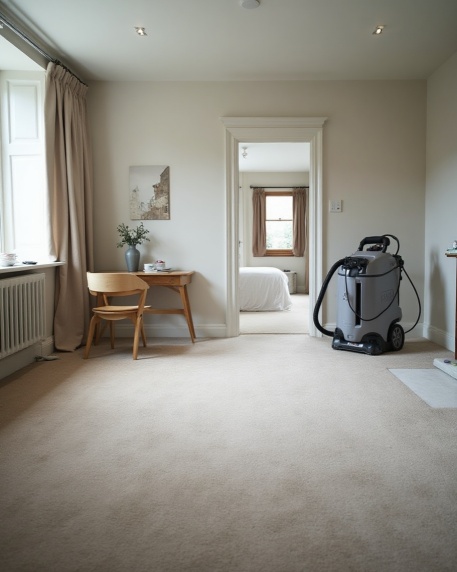 Carpet Cleaning London helps remove deep-set dirt, stains, and everyday wear from busy homes and commercial spaces, restoring carpets to a cleaner and fresher condition across the city.