
How to Tell When Your Home Needs a Proper Deep Clean
A practical guide to recognising deep cleaning needs in real London homes.
A lot of London homes look clean on the surface but still hold onto hidden dirt, grease, and bacteria. This is especially common in busy households, rental properties, and flats where daily cleaning only covers the obvious areas. A proper deep clean goes further — it tackles built-up grime, neglected spots, and hygiene issues that regular cleaning simply doesn’t reach.
If you’re noticing that your home never quite feels fresh no matter how often you tidy, it’s usually a sign that something deeper is going on. This guide explains how to recognise those signs and what actually needs to be done to fix them properly.
When “Clean” Doesn’t Feel Clean Anymore
One of the most common situations we see in London properties is a home that looks fine at a glance but doesn’t feel right when you’re living in it.
This usually happens because:
- Dirt builds up slowly over time
- High-use areas are cleaned repeatedly, but not deeply
- Hidden areas are overlooked completely
In many flats and terraced houses, especially older buildings, dust and grease settle into surfaces rather than sitting on top. That’s why wiping and vacuuming alone stops being effective after a while.
A typical example is a living room carpet that’s vacuumed weekly but still feels dull or slightly sticky underfoot. The issue isn’t surface dust — it’s embedded dirt that requires extraction cleaning.
Kitchen Build-Up: More Than Just Visible Mess
Kitchens are one of the clearest indicators that a deep clean is overdue.
In regular use, grease and food residue don’t just stay on surfaces — they spread. Over time, they form a thin layer on cupboards, tiles, and appliances.
Common signs include:
- Sticky cupboard doors
- Grease marks around handles and switches
- A lingering cooking smell even after cleaning
This is particularly noticeable in London flats with limited ventilation, where cooking vapours don’t escape easily.
A proper deep clean in this case involves:
- Using degreasers to break down built-up oils
- Cleaning behind and underneath appliances
- Scrubbing tile grout where residue collects
Surface wiping won’t remove this layer — it needs the right products and a bit more time.
Bathrooms: The Hidden Hygiene Problem
Bathrooms can look clean but still have underlying hygiene issues, especially in areas affected by hard water.
In London, limescale is a constant problem. It builds up around:
- Taps
- Shower screens
- Toilets
- Tile edges
Over time, this doesn’t just look unpleasant — it traps bacteria and makes surfaces harder to clean.
A common situation in rental properties is a bathroom that has been lightly cleaned between tenants but never properly descaled. The result is:
- Cloudy glass
- Rough surfaces around fittings
- Persistent marks that don’t wipe away
Deep cleaning here usually involves:
- Applying descalers and allowing proper dwell time
- Scrubbing problem areas with non-abrasive tools
- Cleaning sealants and edges where mould may start
It’s not unusual for this to take longer than expected, especially in older bathrooms.
Carpets and Upholstery: What You Can’t See
Soft furnishings are often the biggest hidden issue in a home.
Vacuuming removes loose dirt, but it doesn’t deal with:
- Embedded dust
- Spilled liquids
- Pet-related odours
- General wear from foot traffic
In many London homes, particularly rented flats, carpets may not have been properly cleaned for years.
Signs you might notice:
- A slight smell when entering the room
- Discolouration in high-traffic areas
- Fabric that feels rough or worn
Professional deep cleaning typically uses:
- HEPA vacuum systems to remove fine particles
- Hot water extraction (steam cleaning) to lift dirt from fibres
It’s worth noting that while this process improves appearance and hygiene significantly, it won’t reverse permanent damage or heavy staining that has set over time.
The Areas Most People Miss
Even in well-maintained homes, there are certain spots that are almost always overlooked during regular cleaning.
These include:
- Skirting boards
- Door frames and handles
- Light switches
- Behind furniture
- Inside cupboards and wardrobes
Dust and grime in these areas build up slowly, which is why they’re easy to ignore.
In smaller London flats where space is tight, furniture is rarely moved — meaning entire sections of the floor can go untouched for long periods.
A proper deep clean addresses these zones by:
- Moving accessible furniture
- Using microfibre cloths to trap fine dust
- Cleaning edges and corners thoroughly
This is often the stage where the biggest visual difference becomes noticeable.
Why the Problem Builds Up Over Time
Many people assume that if they clean regularly, a deep clean shouldn’t be necessary. In reality, it’s the opposite.
Regular cleaning maintains a space, but it doesn’t reset it.
Over time:
- Products leave behind residue
- Dirt settles into materials
- Moisture encourages mould and bacteria
In London properties, this is made worse by:
- High humidity in kitchens and bathrooms
- Limited airflow in flats
- Heavy daily use in shared or family homes
This combination means that even with consistent upkeep, deeper cleaning becomes necessary every so often.
What a Proper Deep Clean Actually Involves
A deep clean isn’t just “more cleaning” — it follows a structured process that ensures everything is covered properly.
In most cases, it naturally includes:
Initial inspection
Understanding the condition of the property, identifying problem areas, and deciding which methods are needed.
Preparation
Moving light furniture, clearing access to key areas, and selecting appropriate products like degreasers, descalers, and cleaning solutions.
Detailed cleaning
Working through the property methodically — kitchens, bathrooms, living areas — focusing on build-up rather than just visible dirt.
Final checks
Reviewing surfaces, addressing any missed spots, and ensuring the overall finish is consistent.
Most jobs take between 3 and 6 hours depending on the size and condition of the property. Larger homes or heavily used spaces can take longer.
When a Standard Clean Isn’t Enough
There are certain situations where a regular clean simply won’t deliver the results you need.
These include:
- Moving in or out of a property
- After renovation or building work
- Long periods without proper cleaning
- Preparing a property for tenants or guests
In these cases, the level of detail required is much higher.
For example, an end of tenancy clean often involves:
- Inside appliances (ovens, fridges)
- Internal windows
- Full bathroom descaling
- Deep carpet cleaning
Trying to handle this with standard cleaning usually leads to missed areas and unsatisfactory results.
Honest Expectations: What Can and Can’t Be Fixed
A deep clean can make a significant difference, but it’s important to understand its limits.
It can:
- Remove built-up dirt and grease
- Improve hygiene
- Restore the overall look and feel of a space
However, it cannot:
- Repair damaged surfaces
- Remove permanent stains completely
- Reverse wear in old carpets or materials
In some cases, additional services may be needed, such as:
- Carpet replacement
- Mould treatment
- Maintenance or repairs
Being clear about this helps avoid unrealistic expectations.
A Common London Scenario
In many London flats, especially rented ones, we often see the same pattern:
A tenant moves out after maintaining basic cleanliness, but deeper issues remain — grease in the kitchen, limescale in the bathroom, worn carpets, and curtains that have absorbed dust and odours over time.
Curtains are often overlooked because they don’t always look dirty, but in reality they trap fine dust, cooking smells, and general airborne particles, especially in smaller London apartments where ventilation is limited.
When the next tenant moves in, the property looks acceptable but doesn’t feel properly clean.
This is where a proper deep clean makes a noticeable difference. It resets the space, rather than just maintaining it. Services like Curtains Steam Cleaning, carpet cleaning, and full kitchen and bathroom detailing work together to bring the whole property back to a fresh, neutral condition that actually feels ready to live in.
So, Do You Actually Need a Deep Clean?
If you’re unsure, a simple way to assess your home is to look beyond the obvious.
Ask yourself:
- Do surfaces feel slightly sticky or dull?
- Are there areas you haven’t cleaned in months?
- Does the space smell less fresh than it should?
- Are marks and stains no longer coming off?
If the answer is yes to even a couple of these, it’s usually a sign that regular cleaning has reached its limit.
Final Thoughts
A clean home isn’t just about appearance — it’s about how the space feels to live in.
In London properties, where usage is high and conditions vary, it doesn’t take long for hidden build-up to develop. Regular cleaning keeps things manageable, but a proper deep clean is what restores the space properly.
It’s not something that needs to be done constantly, but when it is needed, the difference is clear — both visually and practically.
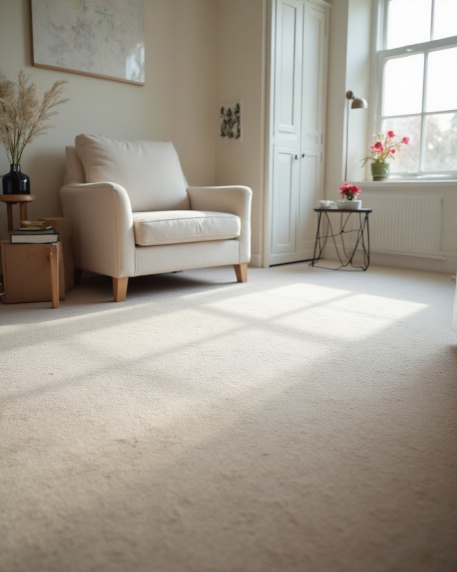 Carpet Cleaning London helps remove deep-set dirt, stains, and odours from high-traffic carpets in homes and rental properties, restoring a cleaner and fresher feel to your living space.
Frequently Asked Questions
What Our Clients Say

“I had my sofas and carpets cleaned by SATSU, and I’m so impressed. The stains lifted completely, and there’s no lingering chemical smell. Their attention to detail really sets them apart.”
“I’ve tried several carpet cleaning companies before, but SATSU exceeded my expectations. They used steam cleaning that got deep into the fibres, and the results were incredible. My office carpets have never looked better!”
“SATSU did an amazing job on our living room carpet! The stains from our kids and pets were completely gone, and the carpet feels so fresh. The team was punctual, friendly, and very professional. Highly recommend!”
“SATSU’s team was fantastic. They were prompt, explained the cleaning process clearly, and the carpet looks brand new. The eco-friendly products were a big plus for me. Excellent value for money.”
“Professional, reliable, and efficient! SATSU handled our office carpets with care, and the results were outstanding. The team was friendly, and the service was seamless from start to finish.”
“Absolutely brilliant service. The technicians were courteous and took great care with my delicate rugs. The carpets dried quickly, and the whole process was stress-free. I will definitely use SATSU again.”