
The Most Overlooked Areas in London Flats That Collect Dirt Fast
The hidden build-up in London flats that regular cleaning doesn’t fully remove
In many London flats, cleaning usually focuses on what you can see — hoovered floors, wiped worktops, and a quick bathroom clean. But that doesn’t always mean the home is properly clean.
We often visit properties where everything looks tidy, yet there’s still dust in the air, a slight smell in the kitchen, or surfaces that feel dull. This usually comes from dirt building up in hidden areas that aren’t part of regular cleaning routines.
If you’re living in a flat, especially in a busy part of London, these overlooked spots can affect hygiene, air quality, and how your home actually feels day to day.
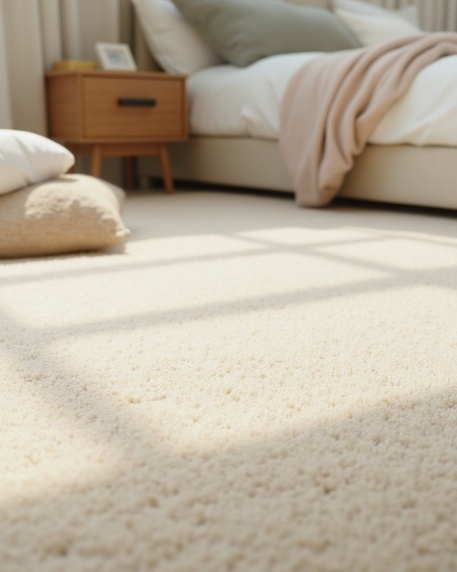
Behind and Under Appliances: Where Dirt Builds Without You Noticing
Fridges, washing machines, and ovens rarely get moved — especially in compact London kitchens. Over time, this creates a hidden space where:
- Dust compacts into thick layers
- Grease particles settle from cooking
- Food debris can collect unnoticed
In many rental properties, this area hasn’t been touched for years. Even if the visible kitchen looks clean, this hidden buildup can affect smells and overall hygiene.
How it’s properly handled
During a professional clean, appliances are carefully moved (where possible), and the area is vacuumed using high-filtration systems before applying degreasers.
This is often included as part of a deeper service like carpet cleaning London where surrounding floor areas and trapped dirt are fully addressed.
Skirting Boards and Floor Edges: The Dust Trap Most People Ignore
Dust doesn’t just sit in the middle of the room — it travels and settles along edges.
In London flats, especially those near roads or construction, we often see:
- Dark dust lines along skirting boards
- Build-up in corners where airflow is low
- Marks from repeated foot traffic
These areas slowly build layers of dirt that don’t come off with a quick wipe.
Why it matters
Even if your floors are clean, these edges hold fine dust that keeps circulating in the air.
Proper cleaning approach
Using microfibre cloths and detailed edge cleaning removes this buildup properly rather than just spreading it around.
Upholstery and Sofas: Holding More Dirt Than You Expect
Sofas and chairs absorb far more than people realise. Every day, they collect:
- Dust from the air
- Body oils
- Food particles
- Odours
In many London homes, especially smaller flats, the sofa is used constantly — making it one of the biggest hidden dirt sources.
A common issue
You might clean the room and still feel like the space isn’t fresh. Often, it’s the upholstery holding onto trapped dirt and smells.
What actually works
This is where upholstery cleaning services make a noticeable difference, lifting dirt from deep within the fabric rather than just the surface.
Professional extraction methods remove embedded particles that standard hoovers simply can’t reach.
Carpets: Clean on the Surface, Dirty Underneath
Carpets are one of the biggest hidden problem areas.
Even if they look fine, they often contain:
- Compacted dirt deep in fibres
- Dust and allergens
- Old spills that have settled below the surface
This is something we see regularly — especially in high-traffic areas like living rooms and hallways.
Why regular vacuuming isn’t enough
A standard vacuum removes surface dust, but deeper particles stay embedded and gradually affect the carpet’s condition.
Professional solution
Deep fibre extraction, like the method used in professional carpet cleaning London, removes this trapped material and improves both hygiene and air quality.
Most rooms take around 20–40 minutes to clean depending on condition, with drying times typically between 2–4 hours.
Mattress Cleaning: The Hidden Hygiene Issue
This is one area people almost never think about.
Mattresses naturally collect:
- Dust mites
- Skin particles
- Sweat and moisture
In many homes, especially rented flats, mattresses go years without proper cleaning.
Why it matters
Even if your bedding is clean, the mattress underneath can affect air quality and sleep comfort.
What helps
A professional mattress cleaning service removes allergens and improves hygiene — something basic cleaning simply doesn’t address.
Curtains and Soft Furnishings: Air Filters in Your Home
Curtains don’t just hang there — they act like filters.
They collect:
- Airborne dust
- Cooking odours
- Outdoor pollution
In London, where windows are often opened near traffic, this buildup happens faster than expected.
Signs to look for
- Slight musty smell
- Fabric looking dull
- Dust returning quickly after cleaning
Proper cleaning
Steam-based curtain cleaning removes this buildup safely without damaging the fabric, restoring freshness.
Kitchen Extractor Fans: Hidden Grease Build-Up
Every time you cook, grease particles rise into the air and settle — mainly in your extractor fan.
Over time, this leads to:
- Sticky surfaces
- Reduced airflow
- Lingering cooking smells
Why it’s often missed
The visible parts might be wiped, but internal filters and surrounding areas are rarely cleaned properly.
Deep cleaning approach
Filters are removed, soaked, and degreased, while surrounding surfaces are treated to remove buildup.
Window Frames and Tracks: Where Outside Dirt Settles
Window areas are constantly exposed to outdoor elements.
In city environments, we often find:
- Black residue from pollution
- Dust compacted into tracks
- Moisture leading to mould in corners
Why it’s important
These areas affect both cleanliness and airflow, especially in smaller flats.
Cleaning method
Detailed brushing, vacuuming, and wiping are needed — not just a quick surface clean.
Why These Areas Make Your Home Feel “Not Quite Clean”
A common situation in London flats is this:
- The home looks tidy
- Surfaces are wiped
- Floors are vacuumed
But something still feels off.
That’s usually because dirt is still sitting in these hidden areas. Over time, they affect:
- Air quality
- Smell
- Overall comfort
When It Becomes More Than Just a Cleaning Issue
If left untreated, buildup in these areas can lead to:
- Persistent odours
- Faster dirt return after cleaning
- Surfaces becoming harder to restore
This is often when people realise that regular cleaning isn’t enough anymore.
How Professional Cleaning Solves the Problem
A proper service doesn’t just focus on visible areas. It follows a structured process:
- Inspection of hidden buildup
- Use of the right equipment (steam cleaners, HEPA vacuums)
- Targeted treatment for each surface
At Satsu, this includes services like carpet, upholstery, and mattress cleaning, all designed to remove dirt at its source rather than just covering it.
Final Thoughts
In everyday life, it’s easy to focus on what you can see. But in many London flats, the biggest difference comes from dealing with what you can’t.
The areas above are where dirt builds up fastest — and where proper cleaning has the most impact.
If your home still doesn’t feel as fresh as it should after cleaning, it’s usually not about doing more…
It’s about cleaning the right places.
Frequently Asked Questions
What Our Clients Say

“I had my sofas and carpets cleaned by SATSU, and I’m so impressed. The stains lifted completely, and there’s no lingering chemical smell. Their attention to detail really sets them apart.”
“I’ve tried several carpet cleaning companies before, but SATSU exceeded my expectations. They used steam cleaning that got deep into the fibres, and the results were incredible. My office carpets have never looked better!”
“SATSU did an amazing job on our living room carpet! The stains from our kids and pets were completely gone, and the carpet feels so fresh. The team was punctual, friendly, and very professional. Highly recommend!”
“SATSU’s team was fantastic. They were prompt, explained the cleaning process clearly, and the carpet looks brand new. The eco-friendly products were a big plus for me. Excellent value for money.”
“Professional, reliable, and efficient! SATSU handled our office carpets with care, and the results were outstanding. The team was friendly, and the service was seamless from start to finish.”
“Absolutely brilliant service. The technicians were courteous and took great care with my delicate rugs. The carpets dried quickly, and the whole process was stress-free. I will definitely use SATSU again.”