What Actually Builds Up Inside a Carpet
Carpets act like filters. Over time, they trap:
- fine dust from outside
- pet hair and dander
- food particles
- bacteria and allergens
- moisture from spills or humidity
In London, this build-up tends to happen faster. Flats near busy roads or construction areas collect more airborne particles, while rental properties often see heavier use with less frequent deep cleaning.
One thing many people don’t realise is that even if a carpet looks clean, the fibres can still be holding onto a significant amount of debris underneath. This is why odours return quickly after DIY cleaning — the root of the issue hasn’t been removed.
Why Vacuuming Alone Isn’t Enough
Regular vacuuming helps maintain the surface, but it doesn’t reach deep into the carpet pile.
Most domestic vacuum cleaners don’t have the suction power or filtration systems needed to extract embedded dirt. Even with repeated passes, fine particles stay trapped at the base of the fibres.
In many London flats, especially older buildings, carpets are laid over underlay that can also absorb dust and moisture. Once contaminants settle there, vacuuming has very little effect.
That’s usually when people notice:
- persistent smells
- flattened or matted fibres
- dull or uneven colour
At that point, a deeper cleaning method is needed.
How Professional Carpet Cleaning Works in Practice
A proper carpet cleaning service follows a structured process. It’s not just about running a machine over the surface.
Initial Inspection
The first step is assessing the carpet type, condition, and any problem areas. Different materials react differently to cleaning — wool, synthetic fibres, and blends all require specific handling.
We also check for:
- stains and their likely cause
- high-traffic zones
- signs of wear or damage
This helps determine the right cleaning method.
Preparation
Before any deep cleaning begins, the area needs to be prepared.
This usually involves:
- moving light furniture where possible
- pre-vacuuming using a HEPA vacuum system to remove loose debris
- applying targeted treatments to stains
In many London homes, access can be a factor. Narrow hallways or stairs may limit equipment positioning, so setup is adjusted accordingly.
Deep Cleaning Process
The most effective method in most cases is hot water extraction, often referred to as steam cleaning.
This involves:
- injecting hot water mixed with a cleaning solution into the carpet
- loosening dirt and contaminants from the fibres
- extracting the water along with the dirt using powerful suction
Professional machines operate at a much higher pressure and temperature than consumer devices, which is what allows them to clean deeper.
For grease-heavy areas like living rooms or near kitchens, a specialist degreaser may be used to break down residues before extraction.
Final Checks and Drying
Once cleaning is complete, the carpet is inspected again to ensure consistent results.
Drying time depends on:
- carpet thickness
- ventilation
- room temperature
In most London properties, carpets take between 4 to 8 hours to dry fully, although good airflow can reduce this time.
Common Problems and How They’re Resolved
1. Stubborn Stains
Spills like coffee, wine, or food are common, especially in rental properties.
The issue isn’t just the surface stain — it often penetrates deeper layers. Professional cleaning uses targeted solutions to break down the stain at its source, not just lighten it.
However, it’s important to be realistic:
Some stains, especially older ones or those involving dyes, may not be completely removable.
2. Lingering Odours
Odours are usually caused by bacteria trapped in the carpet.
In many London flats, we see this in:
- bedrooms with limited ventilation
- homes with pets
- areas affected by past spills
Deep cleaning removes the bacteria causing the smell, rather than masking it.
3. Flattened Carpet Fibres
Heavy foot traffic compresses fibres over time, particularly in hallways and living areas.
While cleaning can lift and refresh the fibres, it cannot fully restore carpets that are physically worn out. This is a common limitation people should be aware of.
When You Should Consider Professional Carpet Cleaning
There are certain situations where a deep clean becomes necessary rather than optional:
- moving in or out of a property
- after tenants leave
- visible stains or discolouration
- persistent odours
- allergy symptoms worsening indoors
A common situation in London is combining carpet cleaning with upholstery cleaning, especially in furnished flats or rental properties. Sofas and chairs absorb just as much dust, body oils, and odours as carpets, and cleaning only one can leave the space feeling inconsistent.
In these cases, treating both carpets and upholstery together creates a more balanced result, particularly when preparing a property for new occupants or improving overall indoor hygiene.
How Long the Service Takes
Time depends on the size of the property and the condition of the carpet.
As a general guide:
- single room: 1 to 2 hours
- one-bedroom flat: 2 to 3 hours
- larger properties: 3 to 5 hours
Heavily soiled carpets or multiple stain treatments can extend this.
In buildings with limited lift access or restricted parking, setup and equipment transport can also add time — something quite common across London.
Preparation Before the Cleaning Visit
To get the best results, a bit of preparation helps.
You don’t need to do much, but it’s useful to:
- clear small items from the floor
- move fragile belongings
- ensure access to the property
If parking is restricted, arranging a nearby space can make the process smoother, especially in busy streets or controlled zones.
Carpet Cleaning and Overall Home Hygiene
Carpet cleaning is often part of a bigger picture.
In many cases, it’s combined with:
- upholstery cleaning
- mattress cleaning
- full deep cleaning of kitchens and bathrooms
This is particularly relevant in rental properties, where hygiene standards need to be consistent throughout the home.
A clean carpet can make a noticeable difference, but if other areas are neglected, the overall result won’t feel complete.
Limitations You Should Be Aware Of
Being realistic is important when it comes to results.
Professional cleaning can:
- remove most dirt and bacteria
- improve appearance significantly
- eliminate many odours
But it cannot:
- repair physical damage
- fully restore heavily worn carpets
- guarantee removal of every stain
In some cases, especially in older properties, replacement may be a more practical option than repeated cleaning.
The Long-Term Benefits
Regular professional cleaning helps maintain carpets over time.
Benefits include:
- longer carpet lifespan
- improved indoor air quality
- better appearance
- reduced build-up of allergens
In busy London homes, scheduling a deep clean every 6 to 12 months is usually enough to keep carpets in good condition.
Final Thoughts
Carpets in London properties face constant use, and over time, that wear builds up below the surface. What starts as a small issue — a stain, a smell, or dullness — can gradually affect the whole room.
Professional carpet cleaning addresses the problem properly by working deep into the fibres, removing what everyday cleaning leaves behind.
For many people, the difference is noticeable straight away — not just in how the carpet looks, but in how the space feels overall.

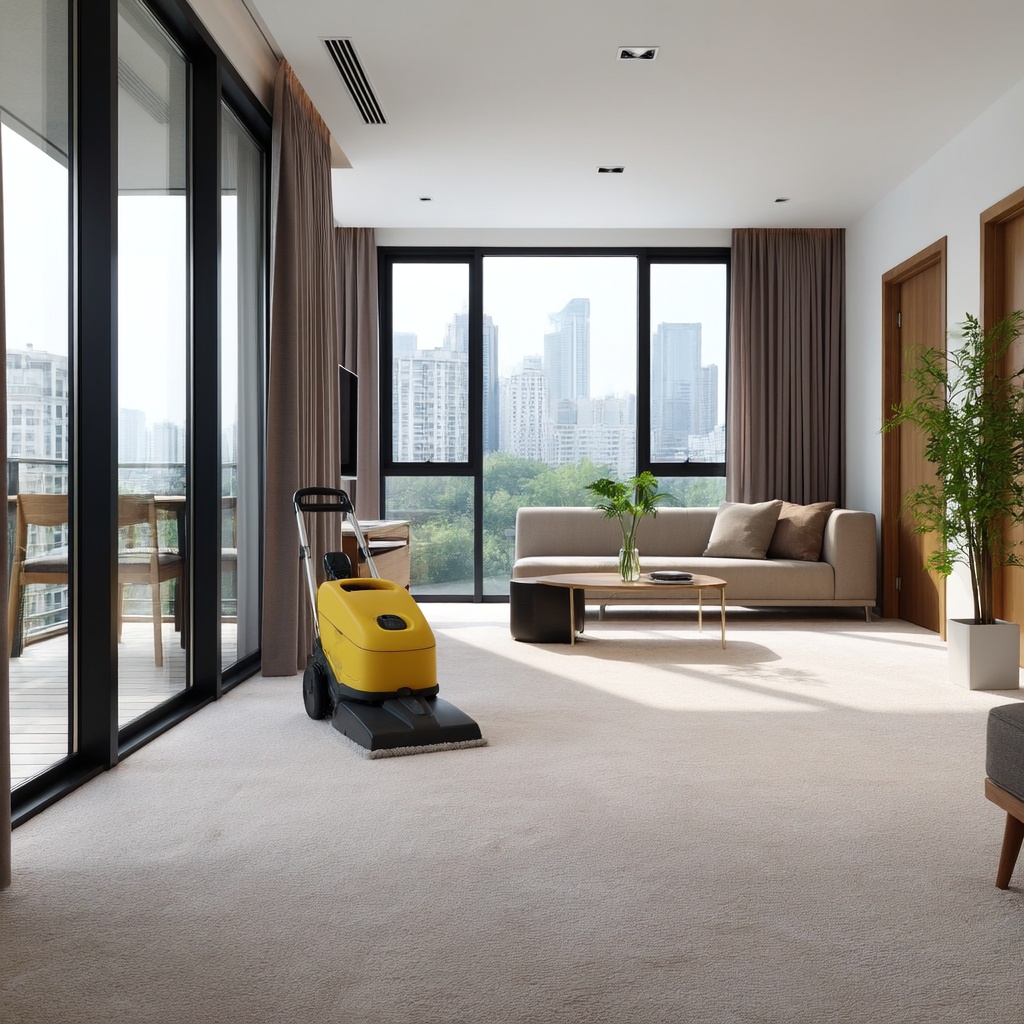
 Professional carpet cleaning in London that removes deep dirt, stains, and hidden odours to restore freshness and hygiene in your home.
